

Last Updated on November 25, 2026
Filipino bodybuilder Jesse Sabater built his competitive career through decades of discipline, consistent training, and dedication to the sport. Born in Baguio City, Philippines, he represented his home country before moving to the United States, where he established himself as a competitive athlete in bodybuilding and Classic Physique.
From winning regional bodybuilding championships in the Philippines to competing at national-level events in America, Sabater’s journey demonstrates that success in bodybuilding requires much more than muscular development. It takes patience, intelligent training, proper nutrition, recovery, and a strong support system.
Early Life and Bodybuilding Beginnings in Baguio
Jesse Sabater began competing in bodybuilding in 1989 under the guidance of Sammy Ayochok, a respected figure in Philippine bodybuilding history.
Like many young men entering the gym for the first time, his initial motivation was relatively simple. Weighing approximately 125 to 130 pounds (57–59 kg), Sabater wanted to improve his physical appearance and impress girls. However, what started as a personal interest eventually developed into a lifelong passion.
Through consistent training and the mentorship of Ayochok, Sabater developed the physique and competitive discipline necessary to represent the Philippines.
He became a member of the Philippine bodybuilding team in 1989 and 1990, establishing himself within the local competitive bodybuilding community before pursuing opportunities overseas.
From Philippine Bodybuilding to the United States
In 1991, Sabater moved to the United States. Despite the challenges of adjusting to a new country, building a career, and supporting a family, he continued pursuing competitive bodybuilding.
Living in California gave him access to an established bodybuilding community and opportunities to compete against experienced American athletes.
His competitive journey included regional championships, national competitions, and events featuring some of the strongest amateur bodybuilders in the United States.
Outside bodybuilding, Sabater worked as a dental technician and, at the time of his original IronPinoy interview, owned Dental Arts Lab in Ventura, California.
His ability to balance professional responsibilities, family life, and competitive bodybuilding highlights the commitment required to remain involved in the sport over several decades.
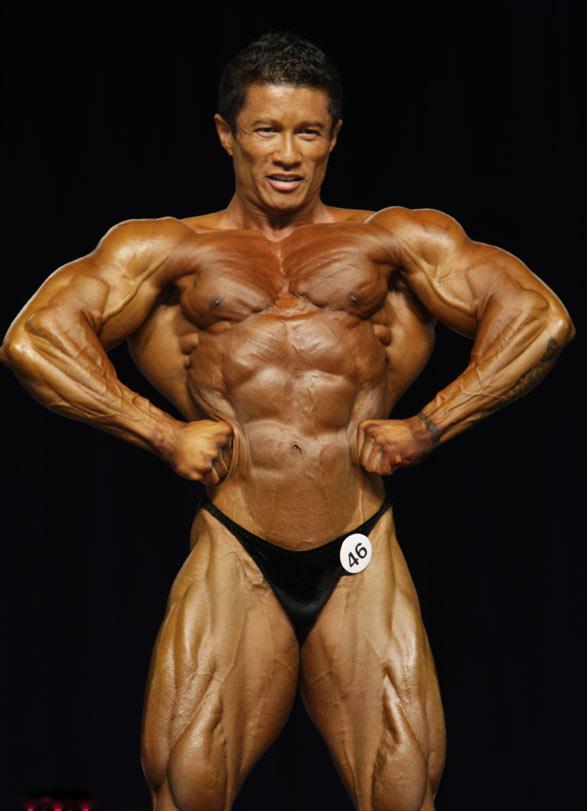
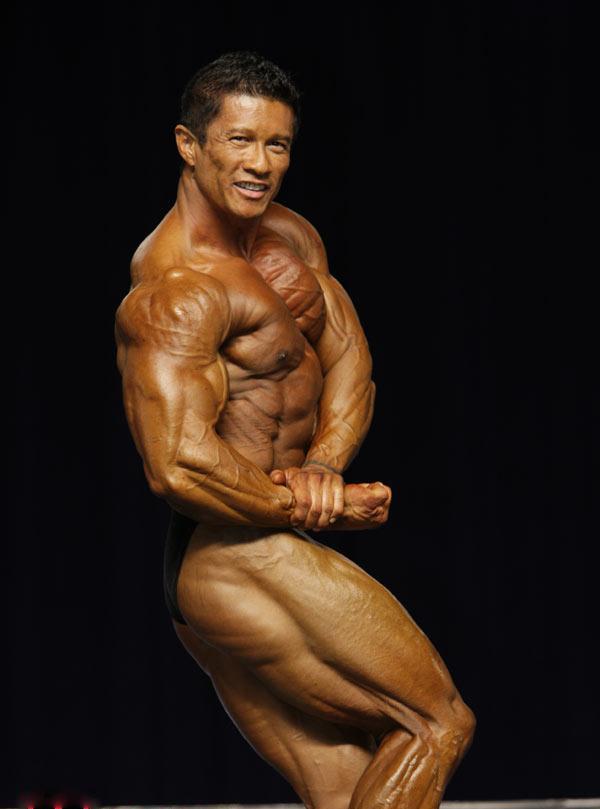
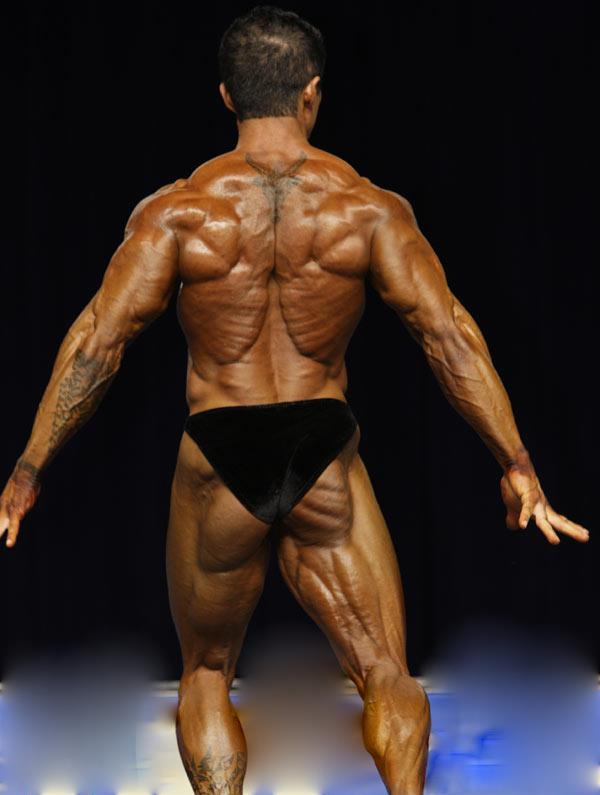
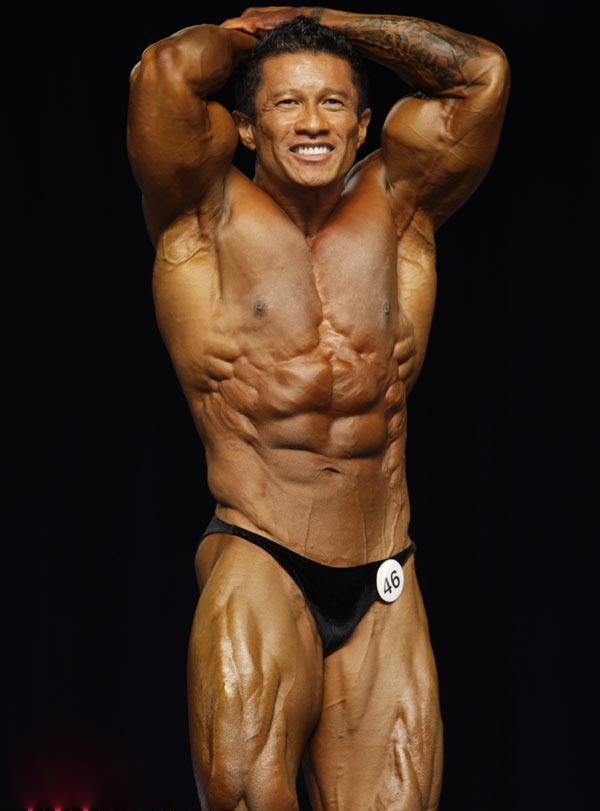
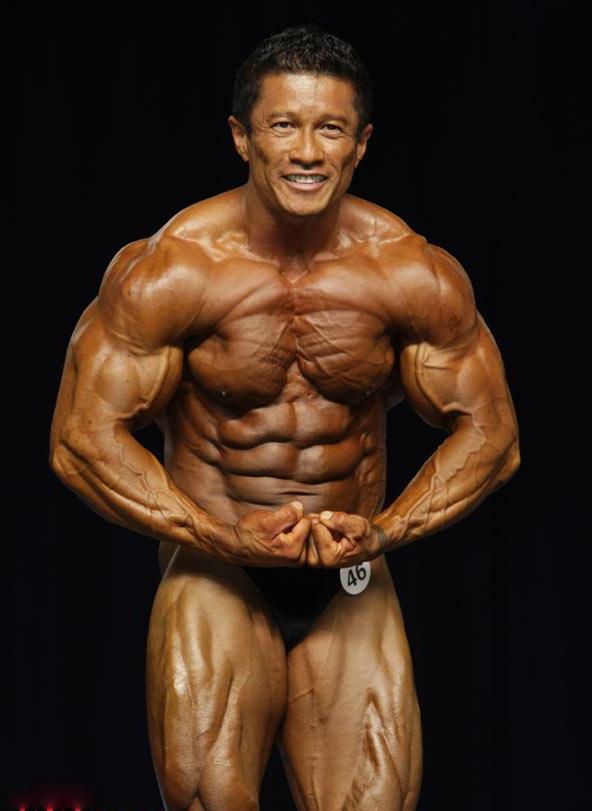
Jesse Sabater’s Bodybuilding Competition Results
Sabater’s competitive career spans both Philippine and American bodybuilding competitions. His achievements include multiple championship titles and podium finishes.
Philippine bodybuilding achievements
The following achievements were reported in his original IronPinoy interview.
| Competition | Placing |
|---|---|
| Mr. Baguio | 1st place |
| Mr. Cordillera | 1st place |
| Mr. Luzon | 1st place |
| Pambato Bodybuilding Championship | 2nd place |
| Philippine National Bodybuilding Team | Member, 1989–1990 |
American bodybuilding competition results
Historical bodybuilding databases and NPC competition records document Sabater’s continued participation well beyond his original 2010 IronPinoy interview.
| Year | Competition | Category | Placing |
|---|---|---|---|
| 2002 | California Championships | Lightweight | 1st |
| 2002 | Orange County Classic | Lightweight | 1st |
| 2006 | California Championships | Welterweight | 1st |
| 2006 | Los Angeles Championships | Middleweight | 1st |
| 2006 | USA Championships | Bodybuilding | 2nd |
| 2007 | USA Championships | Bodybuilding | 2nd |
| 2010 | USA Championships | Bodybuilding | 2nd |
| 2010 | National Championships | Bodybuilding | 3rd |
| 2012 | NPC USA Championships | Bodybuilding | 6th |
| 2014 | IFBB North American Championships | Bodybuilding | 2nd and 3rd* |
| 2014 | NPC Ferrigno Legacy | Bodybuilding | 1st |
| 2016 | NPC Los Angeles Championships | Bodybuilding | 2nd |
| 2016 | NPC Los Angeles Championships | Classic Physique | 2nd |
| 2016 | NPC Ferrigno Legacy Championships | Classic Physique | 1st |
| 2018 | NPC West Coast Classic | Bodybuilding | 3rd |
| 2018 | NPC West Coast Classic | Classic Physique | 2nd |
| 2018 | NPC Masters National Championships | Masters 50+ Welterweight | 1st |
| 2018 | NPC Masters National Championships | Classic Physique Masters 50+ | 4th |
*Separate class entries are recorded for the 2014 North American Championships. Results represent individual category placings, not necessarily overall championship titles.
Sources: NPC News Online athlete competition history, Bodybuilding Stats, and Fitness Volt athlete database. NPC News Online+2
A Bodybuilding Career That Continued Beyond Age 50
One of the most impressive aspects of Sabater’s career is his competitive longevity.
His documented American competition history extends from 2002 to 2018, in addition to his earlier bodybuilding career in the Philippines.
Jesse Sabater’s Bodybuilding Competition Record
Recorded American competition results, 2002–2018
Historical competition class results compiled from Bodybuilding Stats and NPC competition records. Figures exclude earlier Philippine competitions. Individual class results do not necessarily represent separate competitions.
In 2018, Sabater earned first place in the Masters 50+ Welterweight bodybuilding division at the NPC Masters National Championships. He also secured fourth place in the Masters 50+ Classic Physique category. Bodybuilding Stats+1
These achievements demonstrate that competitive bodybuilding does not necessarily have to end when an athlete reaches middle age.
Although recovery, joint health, mobility, and training capacity may change with age, experienced athletes can continue developing and maintaining impressive physiques through appropriate programming.
Jesse Sabater’s Training Philosophy
Sabater has always emphasized the importance of discipline, persistence, and consistency.
During his original IronPinoy interview, he explained that he typically trained four to five times a week and prioritized quality carbohydrates and protein in his diet.
However, his training approach was not always this balanced.
During his early bodybuilding years, Sabater trained every day, believing that spending more time in the gym would lead to faster muscle growth. Experience eventually taught him that training volume alone does not determine results.
Muscles grow when your resting and “overtraining” is the worst mistake that people do.
His experience reflects an important principle of modern resistance training: exercise provides the stimulus for muscle development, while adequate nutrition and recovery support adaptation.
Training principles inspired by Jesse Sabater
- Train consistently. Establish a sustainable workout schedule rather than relying on short periods of extreme motivation.
- Use progressive overload. Gradually increase training demands as your strength and recovery allow.
- Prioritize recovery. Give muscles sufficient time to recover between demanding workouts.
- Maintain proper nutrition. Consume adequate protein, carbohydrates, fats, and total calories.
- Focus on exercise quality. Proper technique matters more than lifting heavy weights simply to impress others.
- Think long-term. Building a competitive physique takes years of consistent effort.
These principles remain relevant for beginners, experienced lifters, competitive bodybuilders, and older athletes.
Nutrition, Supplementation and Contest Preparation
Competitive bodybuilding requires careful attention to nutrition, particularly during the weeks leading up to a competition.
Sabater emphasized eating quality sources of protein and carbohydrates to support muscle development, training performance, and contest preparation.
At the time of his original interview, SAN Nutrition sponsored him and provided nutritional supplements.
Nevertheless, supplements are only one component of bodybuilding preparation. A well-planned diet, adequate sleep, structured resistance training, and consistent recovery form the foundation of long-term muscle development.
Modern bodybuilders should also recognize that extreme dieting, dehydration, and excessive training can carry significant health risks. Competition preparation should be approached carefully, ideally with qualified professional guidance.
A Family With Deep Bodybuilding Roots
Bodybuilding was more than an individual pursuit for Sabater. It was also a significant part of his family life.
According to his original interview, two of his brothers were involved in bodybuilding. His brother Roy Sabater operated a Max Muscle franchise in Los Alamitos, California, while his sister, Karina Lagman, owned Fitness Edge in Baguio City.
Jesse also credited his wife, Salfree, for supporting his competitive career.
Despite her responsibilities as a nurse and mother, she helped prepare his meals and supported the demanding lifestyle associated with competitive bodybuilding.
He acknowledged that his achievements would have been much more difficult without the encouragement of his family, friends, and fellow athletes.
Supporting the Next Generation of Filipino Bodybuilders
Beyond his personal achievements, Sabater expressed a strong interest in helping younger athletes develop their physiques through proper training, nutrition, and evidence-based supplementation.
One of his ambitions was to promote bodybuilding competitions and help aspiring competitors prepare for the stage.
help young athletes the proper and scientific way of training, diet and supplementation
During a visit to the Philippines before his original interview, Sabater noticed the growing popularity of fitness. He was particularly impressed by how busy local gyms remained even during the holiday season.
He encouraged Filipino fitness organizations and promoters to create more competitive opportunities beyond traditional men’s bodybuilding.
His vision included figure competitions, women’s fitness events, teenage divisions, and opportunities for younger athletes to participate in organized fitness activities.
Today, the expansion of categories such as Classic Physique, Men’s Physique, Bikini, Figure, and Wellness reflects the increasingly diverse nature of competitive physique sports.
Aspiring Filipino athletes can find upcoming competitions through the IronPinoy Bodybuilding and Fitness Events Directory.
Did Jesse Sabater Become an IFBB Pro?
During his original IronPinoy interview, Sabater expressed his ambition to become the first Philippine-born bodybuilder to earn IFBB professional status.
His subsequent competition history shows that he continued pursuing high-level bodybuilding competitions, including the IFBB North American Championships and NPC national events.
However, available competition records reviewed for this updated profile do not establish whether he ultimately received an IFBB Pro card.
Competing in an IFBB-branded amateur championship does not automatically mean that an athlete has earned professional status.
His documented achievements should therefore be recognized independently of his professional qualification status.
Remembering Sammy Ayochok’s Influence
No account of Jesse Sabater’s bodybuilding journey would be complete without recognizing his mentor, Sammy Ayochok.
Sabater credited Ayochok with introducing him to competitive bodybuilding and guiding him during the early stages of his career.
Their relationship illustrates the importance of mentorship in bodybuilding, particularly during a period when Filipino athletes had limited access to the training information, online resources, and international competition networks available today.
Read more: Even in Death, Sammy Was Larger Than Life.
Sabater also acknowledged the support of Alfie Coronell, Bill Vickery, Allan Watari, his brother Roy, his sister, and his parents.
Where Is Jesse Sabater Now?
The most recent competition results located for Jesse Sabater date to July 2018, when he competed at the NPC Teen, Collegiate and Masters National Championships.
While his historical competition record remains publicly available, there is limited verified information about his current training activities, coaching services, business operations, or future competition plans.
His absence from recent competition databases does not necessarily mean that he has stopped training or participating in the bodybuilding community.
Jesse Sabater’s Legacy in Filipino Bodybuilding
Jesse Sabater represents a generation of Filipino bodybuilders who pursued competitive success internationally long before social media transformed the fitness industry.
From his early days in Baguio City to his national-level competitions in the United States, his journey demonstrates the value of persistence, intelligent training, mentorship, and family support.
His success in Masters bodybuilding also provides inspiration for older lifters who want to remain strong, muscular, and physically active.
For aspiring Filipino bodybuilders, his story offers a straightforward lesson: bodybuilding is not simply about developing an impressive physique. It is about building the discipline and habits that allow you to continue improving throughout your life.
Frequently Asked Questions
Who is Jesse Sabater?
Jesse Sabater is a Philippine-born competitive bodybuilder from Baguio City who represented the Philippines before moving to the United States in 1991. He competed in bodybuilding and Classic Physique events in America.
When did Jesse Sabater start bodybuilding?
According to his original IronPinoy interview, Sabater began competing in 1989 under the mentorship of Sammy Ayochok.
What bodybuilding championships did Jesse Sabater win?
His recorded achievements include victories at the California Championships, Los Angeles Championships, Orange County Classic, NPC Ferrigno Legacy, and the 2018 Masters National Championships in his respective divisions.
Did Jesse Sabater compete after turning 50?
Yes. In 2018, he won the Masters 50+ Welterweight bodybuilding category at the NPC Masters National Championships.
Is Jesse Sabater an IFBB professional bodybuilder?
His original interview documented his ambition to earn professional status. However, his IFBB Pro card status could not be independently confirmed from the available records.
What is Jesse Sabater’s training philosophy?
Sabater emphasized consistent resistance training, proper nutrition, adequate recovery, and avoiding excessive training. He also advocated educating younger athletes about scientific training methods.
Editor’s note: This article was originally based on an IronPinoy interview around 2010 and was updated in November 2026 to include additional historical competition results. Current business affiliations, sponsorships, coaching availability, and IFBB professional status have not been independently verified.