


Last Updated on March 4, 2026
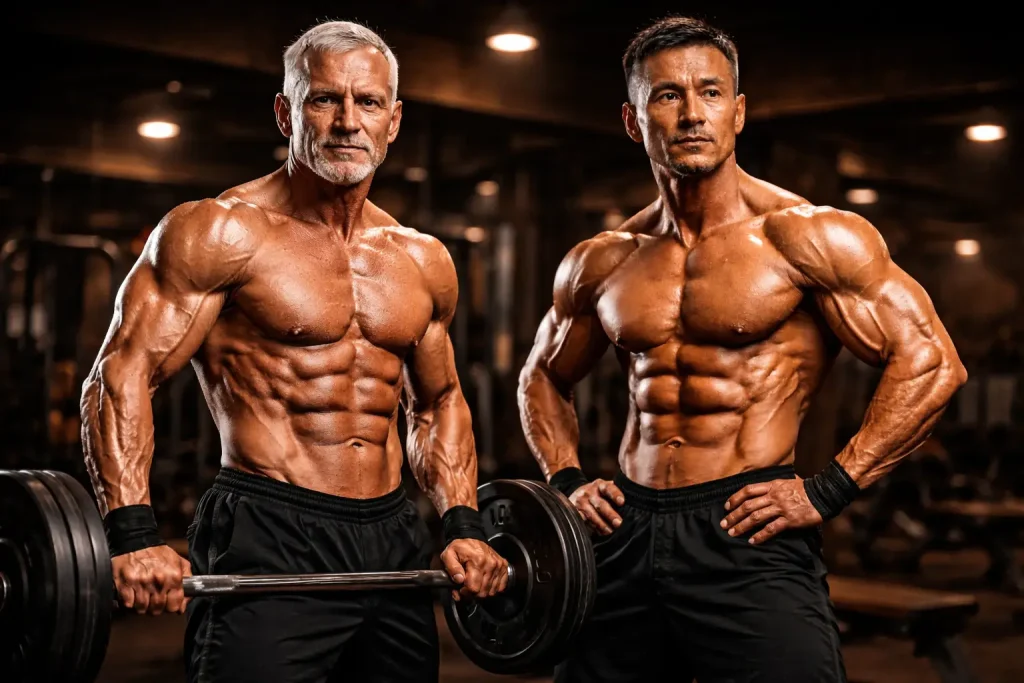
Muscle doesn’t protect you from everything. A lot of older bodybuilders look strong, lean, and disciplined. But under the surface, the heart can be under serious stress. Age alone raises cardiovascular risk. Combine that with decades of heavy lifting, extreme dieting, and sometimes performance-enhancing drugs, and the risk climbs even more.
Let’s break down why older bodybuilders face higher cardiac risk — and what actually drives it.
Age Alone Increases Heart Risk
First, the obvious factor: aging.
After 40, cardiovascular risk naturally increases. Arteries stiffen. Blood pressure creeps up. Cholesterol levels may rise. Recovery slows down. Even with a clean lifestyle, aging changes the cardiovascular system.
By the time someone is 50 or 60, the cumulative wear on the heart is significant. Add intense bodybuilding training on top of that, and the stress multiplies.
Long-Term High Blood Pressure from Heavy Lifting
Heavy resistance training causes sharp spikes in blood pressure during lifts. A maximal squat or deadlift can temporarily push blood pressure extremely high.
When this happens repeatedly over decades, it may contribute to:
- Left ventricular thickening
- Arterial stiffness
- Increased cardiac workload
Left ventricular hypertrophy (LVH) is common in strength athletes. While some heart enlargement is considered “athlete’s heart” and can be normal, long-term pressure overload may shift from adaptive to harmful.
In older bodybuilders, especially those who trained heavy for 20–30 years, this becomes a real concern.
Steroid Use and Cardiac Damage
This is the biggest risk factor.
Many older bodybuilders started competing in eras when steroid education and harm reduction were minimal. Long-term anabolic steroid use is strongly linked to:
- Thickened heart walls
- Reduced heart pumping efficiency
- Elevated LDL cholesterol
- Lower HDL cholesterol
- Increased clotting risk
Chronic steroid use can also enlarge the heart in a non-functional way. Over time, this may lead to cardiomyopathy or heart failure.
Even former users who stopped years ago may carry permanent structural heart changes.
High Hematocrit and Blood Thickness
Anabolic steroids and testosterone replacement therapy (TRT) can increase red blood cell production. While this may improve performance, it also thickens the blood.
Thicker blood means:
- Higher clot risk
- Increased stroke risk
- Greater strain on the heart
Older bodybuilders on TRT who don’t monitor hematocrit levels may unknowingly raise their cardiac risk.
Extreme Bulking and Cutting Cycles
Decades of aggressive bulking and cutting phases stress the cardiovascular system.
During bulking:
- High calorie intake
- Elevated blood lipids
- Increased body mass
During cutting:
- Severe caloric restriction
- Hormonal suppression
- Dehydration practices
Repeated cycles can disrupt metabolic health. Older athletes may struggle to recover hormonally, and lipid profiles often worsen over time.
Visceral Fat Isn’t Always Visible
A bodybuilder can look lean and still carry internal fat around organs, including the heart.
Years of off-season bulking may increase visceral fat even if subcutaneous fat remains controlled. Visceral fat is strongly linked to:
- Insulin resistance
- Inflammation
- Coronary artery disease
Older bodybuilders who assume visible abs equal heart health can miss hidden risks.
Chronic Inflammation and Oxidative Stress
Intense training without adequate recovery elevates inflammation markers.
When recovery slows with age, constant high-intensity training can lead to:
- Elevated cortisol
- Chronic systemic inflammation
- Increased oxidative stress
Inflammation is a major driver of atherosclerosis. Over decades, this increases plaque buildup inside arteries.
Sleep Apnea and Larger Body Mass
Heavier athletes — even muscular ones — have higher rates of sleep apnea.
Sleep apnea contributes to:
- High blood pressure
- Arrhythmias
- Increased heart attack risk
- Stroke risk
Older bodybuilders with thick necks and higher body mass should be screened, especially if they snore or wake up tired.
The Illusion of “Looking Healthy”
One of the most dangerous issues is perception.
Muscle creates the appearance of health. But heart disease does not always show outward signs.
Many older strength athletes:
- Skip regular cardiac screenings
- Ignore subtle symptoms
- Assume fitness equals immunity
Unfortunately, cardiac plaque buildup can progress silently for years.
Genetics + Lifestyle = Compounded Risk
If someone has:
- Family history of heart disease
- High cholesterol
- Hypertension
Bodybuilding alone may not cause heart problems. But when layered on top of genetic risk, it can accelerate issues.
Older bodybuilders who trained intensely while carrying undiagnosed risk factors may see complications later in life.
Warning Signs Older Bodybuilders Should Not Ignore
- Chest tightness during training
- Shortness of breath not related to conditioning
- Irregular heartbeat
- Unusual fatigue
- Elevated resting heart rate
These are not “just getting older.” They need medical evaluation.
How Older Bodybuilders Can Reduce Cardiac Risk
The goal is not to stop training. Resistance training is still powerful for longevity. The goal is smarter training.
1. Regular Cardiac Screening
- Echocardiogram
- Coronary artery calcium (CAC) score
- Lipid panel
- Blood pressure monitoring
2. Moderate Training Intensity
Shift from maximal lifting to controlled hypertrophy work. Reduce constant 1RM attempts.
3. Cardio Is Not Optional
Low-impact steady-state cardio improves heart efficiency and arterial flexibility.
4. Monitor Blood Work
Especially:
- LDL / HDL
- Triglycerides
- Hematocrit
- Fasting glucose
5. Be Honest About PED Use
If using TRT or other compounds, regular physician monitoring is critical.
Is Bodybuilding the Cause — or the Multiplier?
Bodybuilding itself is not automatically dangerous. But in older athletes, it can amplify existing cardiovascular risks.
Think of it this way:
- Natural, moderate training = protective
- Extreme lifting + drugs + decades of strain = compounding risk
The difference is in the approach.
Final Thoughts
Older bodybuilders face higher cardiac risk because age, long-term training stress, possible steroid history, and metabolic strain stack together over time.
Muscle does not cancel biology. The heart still ages. The arteries still respond to decades of pressure.
The smart move in your 40s, 50s, and beyond is not quitting the gym. It’s adjusting the strategy.
Train hard — but train wisely. Monitor your health. Respect recovery. Get screened.
Longevity is the new goal.