
Last Updated on March 25, 2026
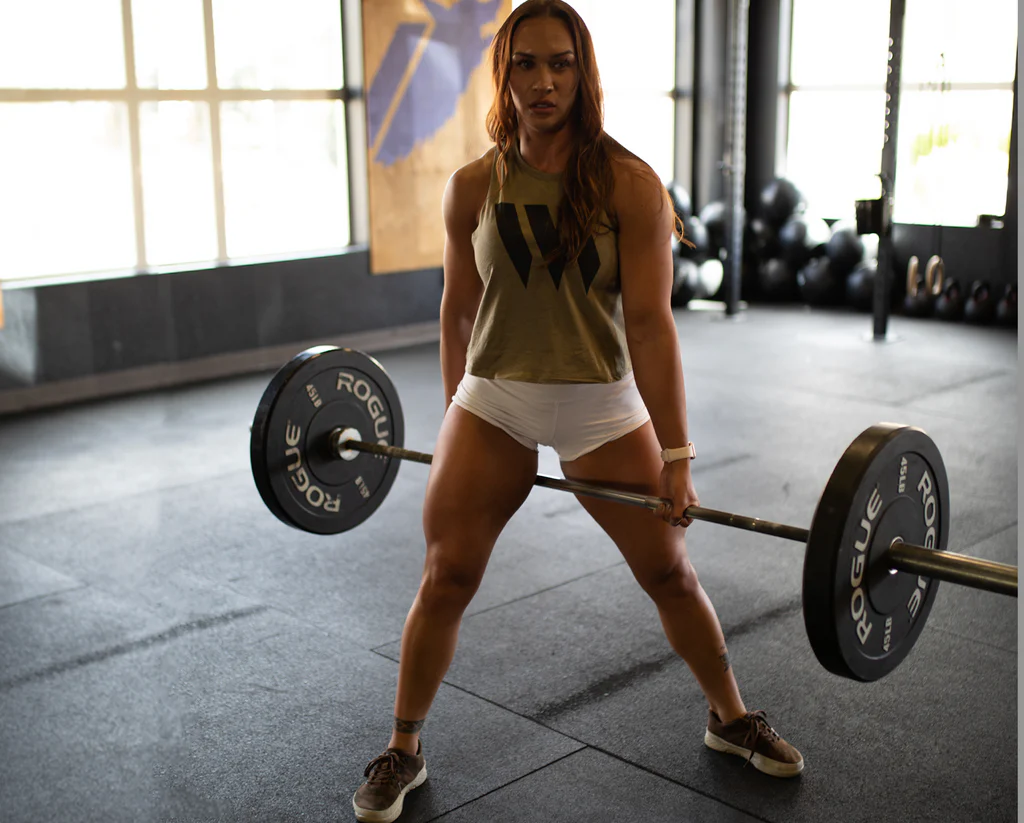
The Jefferson squat is a barbell lift where you straddle the bar instead of standing behind it. One foot is placed in front of the bar, the other behind. You grab the bar between your legs—one hand in front, one behind—and lift it up.
It looks unconventional because it is. But that’s exactly why it’s getting attention again.
Unlike traditional squats, the Jefferson squat distributes load in a way that reduces spinal compression while still hitting the legs hard. It also forces your body to stabilize in a rotational position, something most gym programs completely ignore.
Why It Fell Out of Favor
The Jefferson squat isn’t new. It’s been around for decades, used by old-school strongmen and early bodybuilders. But as gym culture shifted toward standardized movements—especially powerlifting staples like back squats and deadlifts—it slowly disappeared.
There are a few reasons why:
- First, it’s not competition-friendly. You won’t see it in powerlifting meets, so most strength programs dropped it.
- Second, it’s awkward to learn. The setup feels strange, especially for beginners used to symmetrical lifts.
- Third, it doesn’t fit neatly into machines or commercial gym programming. It requires space, coordination, and some trial and error.
So it faded into the background. Not because it didn’t work—but because it didn’t fit the system.
Why It’s Making a Comeback
Now the shift is happening in the opposite direction. Lifters are starting to question the “standard” approach. More people are training for longevity, injury prevention, and functional strength—not just numbers on a bar.
That’s where the Jefferson squat shines.
1. It’s Easier on the Lower Back
Traditional squats load the spine vertically. That’s fine if your form is solid and your mobility is good. But for many lifters—especially those with tight hips or past injuries—that load adds up.
The Jefferson squat shifts the load between your legs. This reduces direct compression on the spine and allows for a more upright torso.
For people dealing with lower back fatigue or discomfort, this alone is a big deal.
2. It Trains Anti-Rotation Strength
Most leg exercises are linear. Up and down. Straight lines.
But real-world movement isn’t like that. You twist, shift, stabilize.
The Jefferson squat forces your body to resist rotation while lifting. That activates your core differently—especially the obliques and deep stabilizers.
This makes it valuable not just for bodybuilding, but also for athletes and anyone looking to build functional strength.
3. It Fixes Muscle Imbalances
Because of the split stance, each side of your body works differently. Your hips, glutes, and legs are forced to stabilize uneven load.
That exposes weaknesses fast.
If one side is weaker, you’ll feel it immediately. Over time, this can help correct imbalances that standard bilateral squats often hide.
4. It Builds Grip and Upper Body Engagement
You’re not just squatting—you’re holding the bar in a mixed grip between your legs.
That means your forearms, traps, and upper back are actively working to stabilize the load. It’s almost like combining a squat and a deadlift into one movement.
For lifters who want more “bang for buck” exercises, this is a strong advantage.
5. It Breaks Training Plateaus
Sometimes progress stalls not because you need more weight—but because your body has adapted too well.
The Jefferson squat introduces a new stimulus. Different angles, different muscle recruitment, different coordination demands.
That alone can be enough to kickstart growth again.
How to Perform the Jefferson Squat Properly
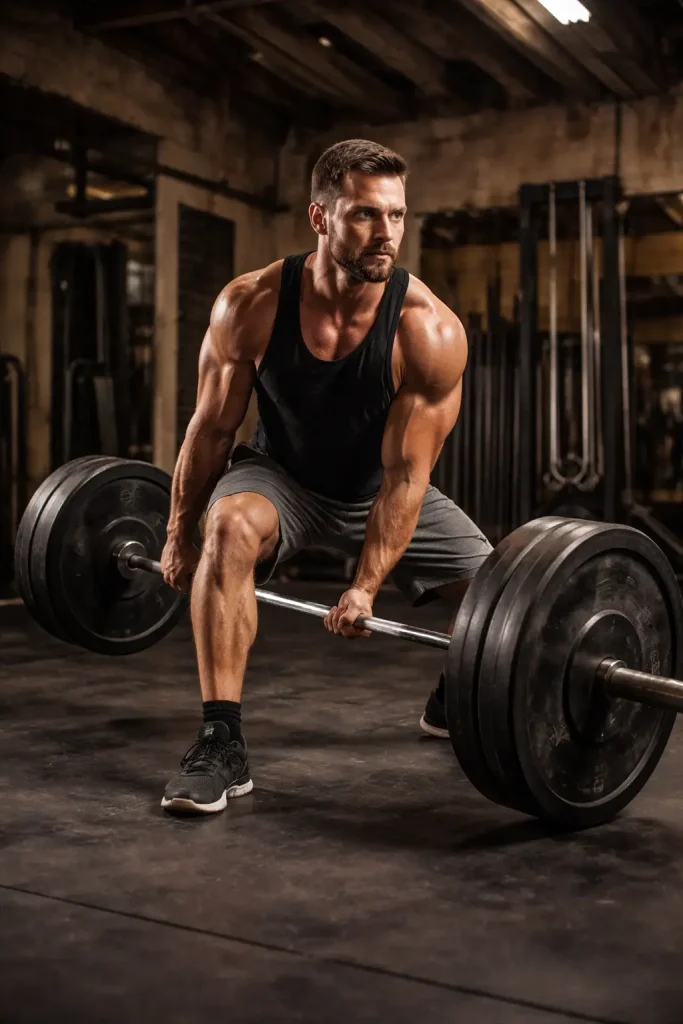
Getting this right matters. Done properly, it’s effective. Done wrong, it feels awkward and pointless.
Start simple:
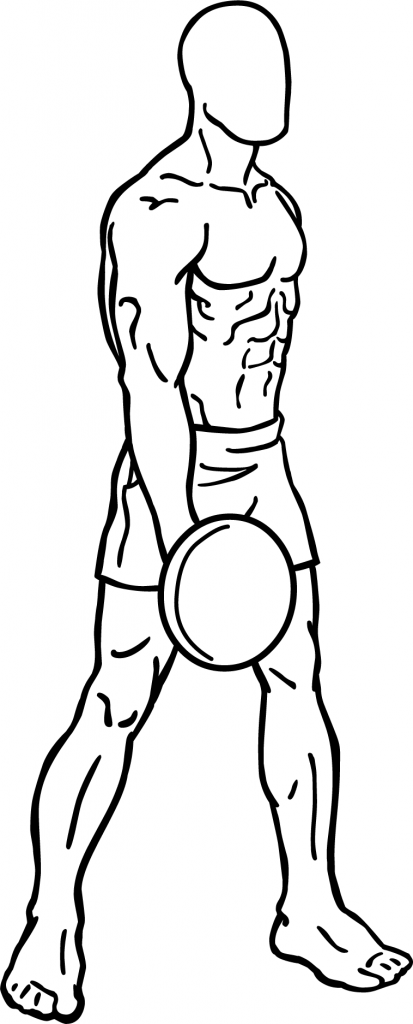
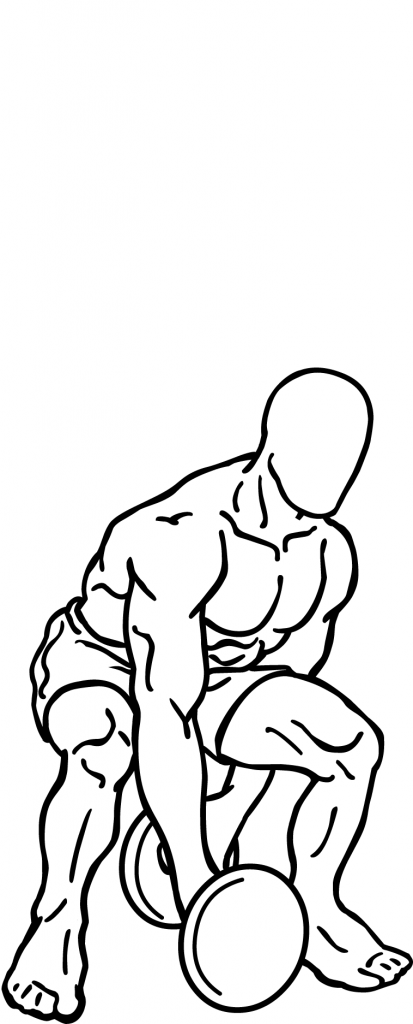
- Stand over the barbell so it runs between your legs. One foot forward, one foot back. Your stance should feel balanced—not too narrow, not too wide.
- Bend down and grab the bar with one hand in front of your body and the other behind. Keep your chest up and spine neutral.
- As you lift, push through your legs—not your back. Think of it like standing up rather than pulling.
- At the top, stand tall without twisting your torso.
- Then lower the bar under control and repeat.
Switch your stance regularly. If your left foot is forward for one set, switch to the right foot forward for the next. This keeps development balanced.
Common Mistakes to Avoid
The biggest mistake is twisting during the lift. The rotation should be resisted, not exaggerated. Your torso stays stable while your lower body does the work.
Another issue is going too heavy too soon. Because the movement is unfamiliar, jumping into heavy weights can mess up your form.
Start light. Focus on control and positioning.
Also, avoid rushing the setup. This lift requires precision. If your stance or grip is off, the entire movement feels wrong.
Who Should Use the Jefferson Squat?
This isn’t just a niche exercise anymore. It fits into a lot of training styles.
- If you’re a bodybuilder, it adds variation and helps target muscles from a different angle.
- If you’re an athlete, it builds rotational stability and coordination.
- If you’re dealing with back issues, it offers a lower-compression alternative to heavy squats.
- And if you’re just bored with your current routine, it gives you something new that actually works.
Programming the Jefferson Squat
You don’t need to replace your entire leg day. The Jefferson squat works best as a complement, not a replacement. Use it as a secondary compound movement after your main lift. For example, after back squats or deadlifts, add Jefferson squats for 3–4 sets of moderate reps. It also works well on its own day if you’re rotating movements. Keep the reps controlled—usually in the 6–12 range—and focus on form over weight.
The Old-School Revival Trend
The comeback of the Jefferson squat isn’t happening in isolation. It’s part of a bigger shift. More lifters are going back to old-school training methods—free weights, unconventional lifts, and functional movements. Why? Because they work. Modern fitness has leaned heavily on machines and standardized programs. But those don’t always build well-rounded strength. Old-school lifts like the Jefferson squat fill in the gaps.
Is It Worth Adding to Your Routine?
If your goal is pure powerlifting numbers, maybe not. But if you care about overall strength, injury prevention, and long-term progress, it’s worth serious consideration. It’s not flashy. It’s not mainstream. But it solves real problems. And that’s exactly why it’s making a comeback.
Final Take
The problem with most training routines is that they become predictable. Same movements, same patterns, same results. The Jefferson squat breaks that pattern.
It challenges your body in ways standard lifts don’t. It strengthens areas you’re probably neglecting. And it does it without putting unnecessary stress on your spine.
That’s why more lifters are bringing it back—not for nostalgia, but for results.
If you’re stuck, plateaued, or just looking to train smarter, this is one of those movements that’s worth your time.