
Last Updated on November 25, 2026
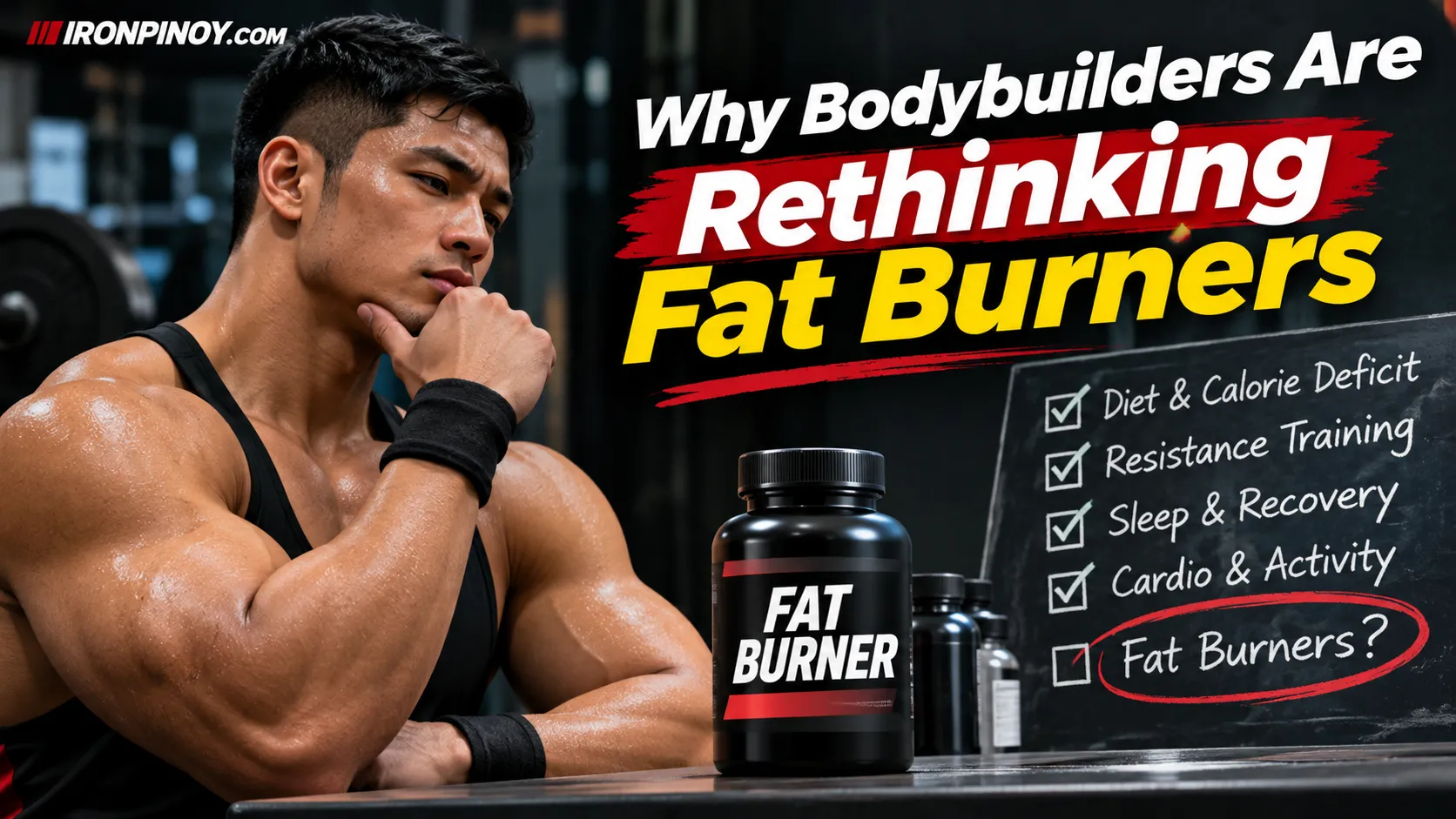
For decades, fat burners have been a staple of bodybuilding cutting cycles. From thermogenic supplements and stimulant-heavy formulas to appetite suppressants, these products have been marketed as a shortcut to a leaner, more defined physique.
Advances in exercise science, sports nutrition, body composition monitoring and medical weight management are challenging traditional beliefs about fat-burning supplements.
Are the results worth the potential side effects? Can you achieve a competition-ready physique without relying on stimulants. The growing emphasis on muscle preservation, recovery, training performance and long-term health is giving athletes more reasons to reconsider their approach to fat loss.
Key takeaways
- Most commercial fat burners have limited scientific evidence supporting significant long-term fat loss.
- Increased fat oxidation does not automatically result in greater body fat reduction.
- Stimulant-heavy supplements may interfere with sleep, cardiovascular health and muscle recovery.
- GLP-1 medications are changing the weight-management industry but are not a replacement for bodybuilding nutrition.
- Resistance training, adequate protein and a controlled calorie deficit remain the foundation of an effective cutting phase.
- Fat burners may have a supporting role, but they are not essential for achieving a lean physique.
What are fat burners, and how do they work?
Fat burners are dietary supplements formulated to support weight loss through various metabolic and physiological mechanisms. They are commonly marketed to bodybuilders, fitness enthusiasts and individuals looking to reduce body fat.
Most commercial fat burners claim to work by:
- Thermogenesis: Increasing heat production and energy expenditure.
- Lipolysis: Supporting the breakdown of stored fat.
- Appetite suppression: Helping reduce calorie consumption.
- Fat oxidation: Increasing the use of fat as an energy source.
- Energy enhancement: Improving alertness and reducing perceived fatigue.
While these mechanisms sound promising, their effectiveness varies considerably. A supplement that temporarily increases energy expenditure does not necessarily produce significant changes in body composition.
Without a sustained calorie deficit, even an expensive fat-burning supplement is unlikely to deliver meaningful results.
1. Scientific evidence does not always support the marketing claims
One of the biggest problems with the fat burner industry is the gap between marketing claims and clinical evidence.
Manufacturers often promote products using phrases such as:
- Melt stubborn belly fat.
- Turn your body into a fat-burning machine.
- Accelerate your metabolism.
- Get shredded faster.
- Burn fat while you sleep.
These claims can create unrealistic expectations, particularly among beginners who are unfamiliar with the science of fat loss.
The National Institutes of Health has reviewed numerous ingredients commonly found in weight-loss supplements. Many demonstrate limited effectiveness, insufficient clinical evidence or results that are unlikely to be clinically meaningful. Another concern is that research on individual ingredients does not necessarily prove that a commercial supplement containing those ingredients will produce the same results.
Popular fat burner ingredients: What does science say?
| Ingredient | Potential benefits | Limitations and concerns |
|---|---|---|
| Caffeine | Alertness, exercise performance and increased energy expenditure | Tolerance, insomnia, elevated heart rate |
| Green tea extract | Possible modest weight-loss effect | Concentrated extracts may cause liver injury |
| L-carnitine | Involved in fatty acid metabolism | Generally modest weight-loss effects |
| Capsaicin | May influence energy expenditure and appetite | Limited evidence of meaningful weight loss |
| CLA | Possible small reduction in body fat | Limited practical benefits |
| Forskolin | Proposed effects on fat metabolism | Insufficient clinical evidence |
| Garcinia cambogia | Marketed for appetite control | Little convincing weight-loss benefit |
| Yohimbine | Proposed effects on fat mobilization | Cardiovascular risks and insufficient evidence |
| Synephrine | Possible thermogenic effects | Uncertain effectiveness and cardiovascular concerns |
| Raspberry ketones | Proposed effects on lipid metabolism | Insufficient human research |
Source: NIH Office of Dietary Supplements – Dietary Supplements for Weight Loss.
The evidence does not support treating these ingredients as a substitute for proper nutrition and exercise.
2. Bodybuilders are prioritizing muscle preservation over rapid weight loss
Bodybuilding is not simply about losing weight. It is about developing muscle mass while reducing body fat to improve muscular definition, symmetry and proportions.
A successful cutting phase should ideally preserve:
- Skeletal muscle mass.
- Muscular strength.
- Training performance.
- Hormonal health.
- Recovery capacity.
- Overall physical and mental health.
Losing weight too quickly can compromise several of these objectives.
An aggressive calorie deficit combined with excessive cardiovascular training and heavy stimulant consumption may result in fatigue, declining strength and muscle loss.
A 2020 scientific review titled Nutritional Recommendations for Physique Athletes recommends slower weight-loss rates during competition preparation to help preserve fat-free mass.
Traditional cutting vs. muscle-focused cutting
| Factor | Traditional aggressive cutting | Muscle-focused cutting |
|---|---|---|
| Primary objective | Rapid weight loss | Body fat reduction |
| Calorie deficit | Often aggressive | Controlled and adjustable |
| Fat burners | Frequently emphasized | Optional |
| Protein intake | Variable | High priority |
| Resistance training | May decline in quality | Remains a priority |
| Cardio | Often excessive | Strategically managed |
| Sleep and recovery | Sometimes overlooked | Essential |
| Muscle retention | Greater potential risk | Primary consideration |
| Progress tracking | Scale weight | Multiple body composition indicators |
The objective is not to become the lightest person in the gym. It is to achieve a leaner physique without unnecessarily sacrificing the muscle you worked hard to build.
3. Stimulant-heavy fat burners can compromise recovery
Many traditional fat burners contain caffeine and other stimulating ingredients designed to increase energy, alertness and thermogenesis.
Although stimulants can temporarily improve exercise performance, excessive consumption may negatively affect recovery.
Common side effects of stimulant-based fat burners
| Side effect | Potential impact on bodybuilding |
|---|---|
| Insomnia | Poor recovery and reduced training readiness |
| Elevated heart rate | Increased cardiovascular strain |
| Increased blood pressure | Potential cardiovascular complications |
| Anxiety | Reduced focus and psychological well-being |
| Digestive discomfort | Difficulty maintaining nutritional intake |
| Excessive appetite suppression | Inadequate calorie and protein consumption |
| Stimulant tolerance | Diminishing perceived effects over time |
Bodybuilders who consume coffee, energy drinks, pre-workout supplements and fat burners on the same day may unknowingly accumulate a substantial amount of caffeine.
The problem becomes more significant during contest preparation, when calorie restriction and increased training demands already place additional stress on the body.
Feeling energized does not necessarily mean your body has recovered. For athletes with hypertension, cardiovascular conditions or sensitivity to stimulants, medical guidance is particularly important before using these products.
4. GLP-1 medications are disrupting the fat-loss industry
The emergence of GLP-1 receptor agonists and related weight-management medications represents one of the most significant changes in the weight-loss industry.
Medications such as semaglutide and tirzepatide have demonstrated substantial weight-loss benefits in eligible patients with obesity or overweight and associated health conditions. Unlike conventional thermogenic supplements, these medications primarily influence appetite, satiety and metabolic regulation. However, their growing popularity does not mean they are appropriate for healthy bodybuilders seeking extreme muscular definition.
Traditional fat burners vs. GLP-1 medications
| Feature | Traditional fat burners | GLP-1 based medications |
|---|---|---|
| Product classification | Dietary supplement | Prescription medication |
| Primary mechanism | Thermogenesis or stimulation | Appetite and metabolic regulation |
| Weight-loss evidence | Generally limited | Stronger clinical evidence in eligible patients |
| Appetite suppression | Variable | Often substantial |
| Medical supervision | Not generally required for purchase | Required |
| Muscle preservation | Not established | Requires appropriate nutrition and training |
| Suitability for bodybuilding | Optional supplement with potential risks | Not established as a bodybuilding cutting tool |
A 2025 joint advisory from four medical and nutrition organizations emphasizes the importance of resistance training, adequate nutrition and muscle preservation during GLP-1 treatment.
A 2026 systematic review also found that resistance training incorporated into weight-loss interventions helped improve lean mass retention.
The emergence of these medications reinforces an important lesson: losing weight and improving body composition are not necessarily the same thing.
5. Supplement safety is becoming a bigger concern
The bodybuilding supplement industry has faced ongoing concerns regarding misleading marketing, undisclosed ingredients and contaminated products.
The US Food and Drug Administration continues to identify weight-loss supplements containing potentially dangerous undeclared pharmaceutical ingredients.
For competitive bodybuilders, contaminated supplements can also create anti-doping problems.
Warning signs when buying fat burners
- Proprietary blends that conceal individual ingredient dosages.
- Promises of extreme weight loss within days.
- Products claiming to burn fat without exercise or dietary changes.
- Lack of independent laboratory testing.
- Undisclosed stimulant content.
- Unverified endorsements and transformation photos.
- Products marketed as pharmaceutical-strength alternatives.
Natural ingredients are not automatically safe. Herbal extracts and plant-derived stimulants can still cause adverse effects and interact with medications.
What Filipino bodybuilders should know
Filipino consumers should verify dietary supplements through the Philippine FDA Verification Portal before purchasing products online or through supplement retailers.
Remember that FDA registration as a food supplement does not establish that a product is clinically effective for fat loss.
Competitive athletes should also consider independently tested supplements from programs such as NSF Certified for Sport or Informed Sport. Third-party testing can reduce contamination risks, although it cannot eliminate them entirely.
6. The cost-to-benefit ratio is becoming harder to justify
Bodybuilding is already an expensive lifestyle. Gym memberships, food, coaching, protein supplements and competition preparation can consume a significant portion of an athlete’s monthly budget.
Spending additional money on fat burners with limited scientific evidence may not be the most effective investment.
Consider the following hypothetical monthly budget for a Filipino bodybuilder.
| Fitness expense | Illustrative monthly budget | Practical value |
|---|---|---|
| Fat-burning supplements | ₱2,000 | Limited |
| Additional high-protein foods | ₱2,000 | High |
| Gym membership | ₱2,000 | High |
| Creatine monohydrate | ₱800 | High for training performance |
| Nutrition and training guidance | ₱2,500 | Potentially high |
Amounts are illustrative budget allocations, not verified retail prices.
Instead of purchasing another bottle of thermogenic supplements, a bodybuilder may benefit more from improving food quality, maintaining consistent protein intake or investing in professional coaching.
Creatine, for example, does not directly burn fat. However, its benefits for strength and resistance training performance make it a more practical supplement for many lifters.
7. Technology is making fat-loss strategies more precise
Bodybuilders no longer need to rely exclusively on scale weight, mirror assessments or subjective feelings of progress.
Modern fitness technology allows athletes to monitor multiple aspects of their training and nutrition.
These include wearable fitness trackers, smart scales, calorie-tracking applications, AI-powered meal planners, digital workout logs and DEXA scans.
Instead of increasing their fat burner intake whenever progress slows, bodybuilders can examine their daily calorie consumption, physical activity, sleep quality and training performance.
Important metrics to track during a cutting phase
| Metric | Suggested monitoring frequency |
|---|---|
| Body weight | Several mornings per week, using weekly averages |
| Waist circumference | Weekly |
| Progress photos | Every two to four weeks |
| Strength performance | Every workout |
| Daily calorie intake | Daily, when helpful |
| Protein intake | Daily |
| Sleep duration | Daily |
| Resting heart rate | Regularly |
| Body composition | Periodically, when useful |
Consumer wearables and smart scales are not perfectly accurate. Their greatest value is often in identifying trends rather than providing exact measurements.
8. Bodybuilders are recognizing the limitations of fat oxidation
A common misconception is that burning more fat during a workout automatically leads to greater body fat loss.
The human body constantly switches between carbohydrates and fats as energy sources depending on exercise intensity, food intake, hormonal signals and energy requirements.
Fat oxidation describes the process of using fatty acids for energy. It does not necessarily tell us whether total body fat has decreased over a longer period.
Fat Oxidation vs. Actual Fat Loss
Fat Oxidation
Fat used as an energy source during exercise or rest.
Short-term metabolic process
Actual Fat Loss
Net reduction in stored body fat over an extended period.
Long-term body composition change
IronPinoy.com | Conceptual illustration, not measured clinical data.
A thermogenic supplement may temporarily increase fat oxidation. However, if total calorie consumption consistently exceeds energy expenditure, meaningful fat loss is unlikely.
This is also why excessive sweating should not be confused with fat loss. Most immediate weight loss from sweating reflects fluid loss.
9. Non-stimulant fat burners are not necessarily the answer
As concerns about stimulant-heavy formulas increase, non-stimulant fat burners may become more attractive to consumers.
These products are often marketed toward individuals who want to avoid caffeine, jitters and sleep disruption.
However, removing stimulants does not automatically make a supplement effective.
Stimulant vs. non-stimulant fat burners
| Feature | Stimulant fat burners | Non-stimulant fat burners |
|---|---|---|
| Energy enhancement | Often noticeable | Generally minimal |
| Sleep disruption | Possible | Generally lower risk |
| Thermogenic effects | Possible | Variable |
| Appetite suppression | Variable | Variable |
| Cardiovascular concerns | Generally higher | Ingredient-dependent |
| Long-term fat-loss evidence | Limited | Limited |
Non-stimulant supplements may be better tolerated by some individuals, but their effectiveness and safety still depend on the ingredients, dosages and quality of the formulation.
The absence of caffeine is not a guarantee of safety or meaningful fat loss.
10. Evidence-based fat loss is replacing the shortcut mentality
The most effective bodybuilding fat-loss strategies are not particularly complicated. The challenge is applying them consistently over several weeks or months.
A well-structured approach combines nutrition, resistance training, physical activity and recovery.
The Bodybuilding Fat-Loss Pyramid
IronPinoy practical framework for fat-loss priorities. The hierarchy is an editorial guide, not a quantitative scientific ranking.
The Bodybuilding Fat-Loss Pyramid
Build your foundation before investing in fat burners.
IronPinoy.com | Evidence-informed practical framework. Not a quantitative scientific ranking.
Establish a controlled calorie deficit
Avoid unnecessary crash dieting. Adjust calorie intake according to your progress, training performance and recovery.
Already-lean athletes generally benefit from a slower approach to weight loss. Extreme competition-level leanness should not be maintained year-round.
Consume sufficient protein
Protein plays an important role in maintaining muscle tissue during calorie restriction.
A 2020 review of physique athlete nutrition suggests that daily protein intake of approximately 1.8–2.7 grams per kilogram of body weight may be appropriate for physique athletes, depending on individual circumstances. PubMed
Maintain resistance training
Continue challenging your muscles while adjusting training volume and intensity according to your recovery capacity.
The objective during a cutting phase is to provide sufficient muscular stimulus without accumulating excessive fatigue.
Increase daily physical activity
Walking, moderate cardiovascular exercise and other forms of daily movement can support energy expenditure without relying on stimulant supplements.
Prioritize sleep
Aim for seven to nine hours of sleep when possible. Poor sleep can affect appetite regulation, exercise performance and recovery.
Monitor and adjust
Evaluate progress over several weeks rather than reacting to daily weight fluctuations. Water retention, glycogen levels and digestive contents can all affect scale weight.
Can you get shredded without fat burners?
Yes. Fat-burning supplements are not a physiological requirement for achieving a lean physique.
However, genetics, starting body composition, nutrition, training experience and consistency influence how lean an individual can become.
There is also an important distinction between achieving a healthy, athletic physique and reaching extreme bodybuilding competition conditioning.
Very low body fat levels may negatively affect hormonal function, energy availability, mood, immune function and overall health.
A sustainable physique should not require constant stimulant use, severe calorie restriction or excessive exercise.
Are fat burners worth buying in 2027?
Fat burners may continue to appeal to athletes looking for additional energy or modest nutritional support. However, expectations need to be realistic.
Before purchasing a fat burner, ask yourself:
- Is my nutrition already consistent?
- Am I consuming enough protein?
- Is my training program properly structured?
- Am I getting sufficient sleep?
- Are the ingredients backed by human clinical research?
- Has the product undergone independent quality testing?
- Are the potential benefits worth the expense and health risks?
If your fundamental nutrition and training habits are not in place, purchasing a fat burner is unlikely to solve the underlying problem.
The future of bodybuilding fat loss in 2027 and beyond
Several developments are likely to influence bodybuilding nutrition and supplementation in the coming years.
| Emerging trend | Expected direction |
|---|---|
| High-stimulant fat burners | Greater scrutiny over safety and effectiveness |
| Non-stimulant supplements | Continued consumer interest |
| GLP-1 medications | Continued influence on medical weight management |
| AI nutrition planning | More personalized dietary strategies |
| Body composition monitoring | Greater emphasis on muscle retention |
| Third-party supplement testing | Increased demand for product transparency |
| Evidence-based coaching | Greater focus on sustainable results |
| Longevity-focused bodybuilding | Increased attention to long-term health |
These are projections based on existing research and developments, not confirmed industry-wide adoption trends for 2027.
The next generation of bodybuilding nutrition may be defined less by extreme supplementation and more by individualized approaches that balance physique development with long-term health.
Frequently asked questions
Do fat burners actually work for bodybuilders?
Some ingredients may temporarily increase energy expenditure, reduce appetite or improve alertness. However, most commercial fat burners have limited evidence supporting substantial long-term fat loss.
Do fat burners cause muscle loss?
Fat burners do not necessarily cause muscle loss directly. However, excessive appetite suppression, inadequate nutrition, disrupted sleep and aggressive calorie restriction can increase the risk of losing muscle.
Can fat burners reduce belly fat?
No supplement has been convincingly demonstrated to selectively eliminate belly fat. Fat distribution and the order in which body fat is lost are influenced by genetics, hormones and overall energy balance.
Is caffeine better than commercial fat burners?
Caffeine has stronger evidence for improving exercise performance than many ingredients found in commercial fat burners. However, its direct contribution to sustained weight loss is generally small.
Are fat burners safe for bodybuilders over 40 or 50?
Safety depends on individual health conditions, medications and supplement ingredients. Older athletes with high blood pressure, cardiovascular disease or sleep problems should be particularly cautious about stimulant-based products.
Are GLP-1 medications replacing fat burners?
GLP-1 based medications are changing medical weight management, but they are not direct replacements for sports supplements or appropriate cutting agents for everyone.
They should only be used when medically indicated and under professional supervision.
Should I take a fat burner while cutting?
Fat burners are optional. A controlled calorie deficit, sufficient protein, resistance training and recovery should come first. If you are considering supplementation, discuss potential risks with a qualified healthcare professional.
Can creatine help with fat loss?
Creatine is not a fat burner. Its primary benefits relate to muscular performance, strength and training capacity, which can indirectly support muscle retention during a cutting phase.
Conclusion: The end of the fat burner obsession?
Fat burners are unlikely to disappear from bodybuilding in 2027. What deserves to disappear, however, is the belief that they are essential for achieving an impressive physique.
Scientific evidence continues to reinforce the importance of nutrition, resistance training, adequate protein, physical activity and recovery.
For serious bodybuilders, the objective should not simply be to lose weight as quickly as possible. It should be to reduce body fat while preserving muscle, maintaining performance and protecting long-term health.
The best cutting strategy is not necessarily the one that makes you sweat the most. It is the one that allows you to lose fat without sacrificing the muscle you worked hard to build.
What Really Matters During a Cutting Phase?
Relative practical importance for bodybuilding fat loss
Methodology: IronPinoy editorial assessment using a 1–5 practical priority scale informed by general exercise science and sports nutrition principles. Scores do not represent measured clinical effect sizes or percentages of fat loss.
IronPinoy.com | Evidence-Based Bodybuilding and Fitness
IronPinoy promotes evidence-based bodybuilding, responsible supplementation and sustainable fitness. This article is for educational purposes and should not replace individualized medical or nutritional advice.
Scientific references
- National Institutes of Health. Dietary Supplements for Weight Loss – Health Professional Fact Sheet.
- Helms et al. (2014). Evidence-Based Recommendations for Natural Bodybuilding Contest Preparation: Nutrition and Supplementation.
- Roberts et al. (2020). Nutritional Recommendations for Physique Athletes.
- US FDA. Weight Loss Product Notifications.
- NIDDK. Prescription Medications to Treat Overweight and Obesity.
- Joint Advisory (2025). Nutritional Priorities to Support GLP-1 Therapy for Obesity.
- Lean Mass Changes With Incretin Therapy Versus Lifestyle Intervention: A Systematic Review and Meta-Analysis (2026).
- Philippine FDA. Utilization of the FDA Verification Portal.