
Last Updated on November 16, 2026
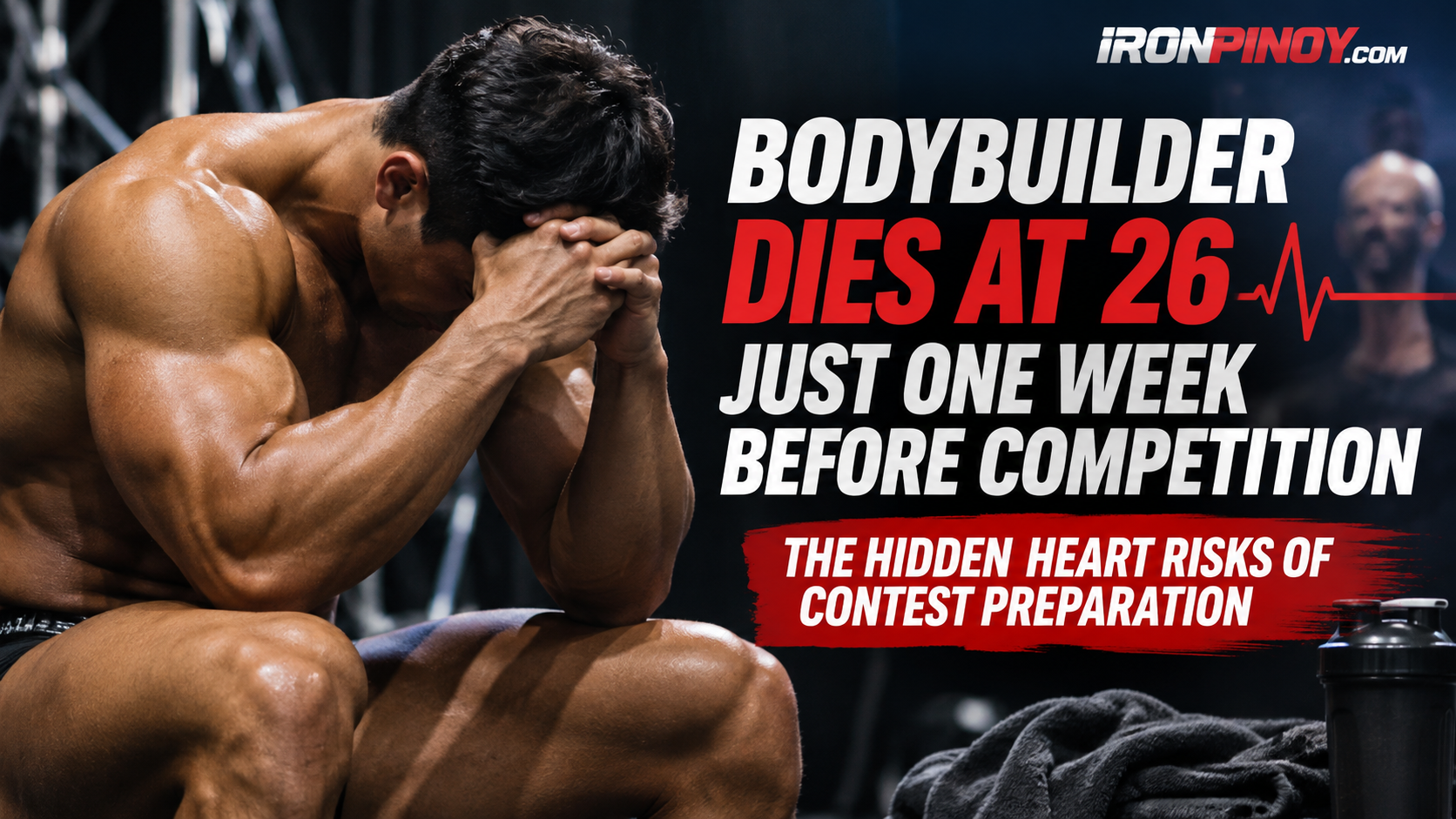
Bodybuilding heart attack risks have become a serious concern following reports that a 26-year-old male fitness competitor died just one week before a bodybuilding competition. Although a heart attack has reportedly been mentioned, the official medical cause of death has not been independently confirmed.
The incident raises important questions about the cardiovascular risks associated with competitive bodybuilding, particularly during the final stage of contest preparation, commonly known as peak week.
Extreme dieting, dehydration, electrolyte imbalances, anabolic steroid misuse, and undiagnosed heart conditions can all contribute to cardiovascular complications under certain circumstances.
But what does medical research actually tell us about these risks, and how can competitive bodybuilders protect their heart health?
Editorial note: The reported death of a 26-year-old male competitor, allegedly from a heart attack one week before competition, has not been independently verified from reliable public sources. The athlete’s identity, exact circumstances, and medical cause of death remain unconfirmed. This article examines the medical risks associated with bodybuilding contest preparation without attributing any specific cause to this individual.

A young life lost before stepping onstage
At 26, a competitive bodybuilder should have years of training, competitions, and personal achievements ahead of him. Instead, a reported death during the final week of contest preparation has raised a disturbing question within the bodybuilding community: Can the pursuit of an exceptionally lean, muscular physique put an athlete’s heart at risk?
According to the account circulating about the incident, the young male competitor was approximately one week away from stepping onstage when he died. A heart attack has reportedly been mentioned as the cause.
Without a medical report or an official family statement confirming the circumstances, however, it would be irresponsible to conclude that dehydration, steroids, diuretics, or any particular contest-preparation method caused his death.
What we can examine is the growing medical evidence showing that certain practices associated with competitive bodybuilding can increase cardiovascular stress.
And that evidence deserves serious attention.
Bodybuilding Heart Attack Risks: Why Peak Week Matters


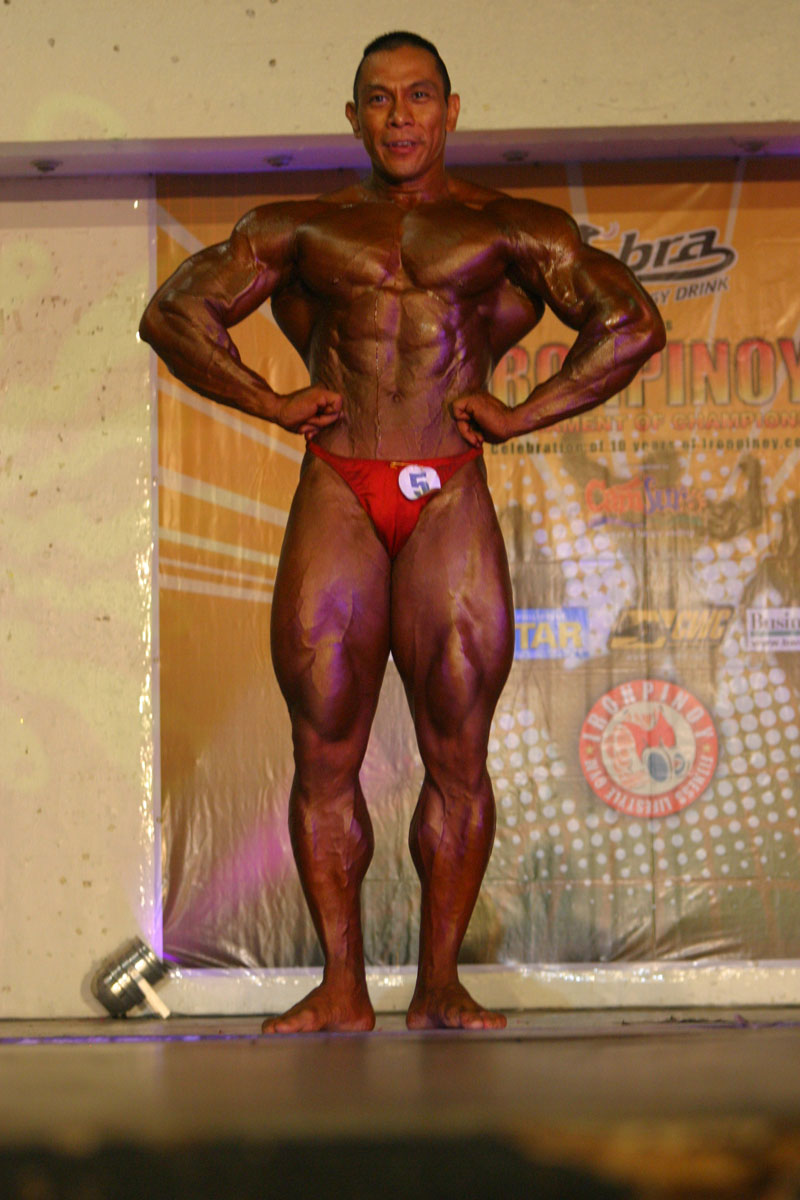


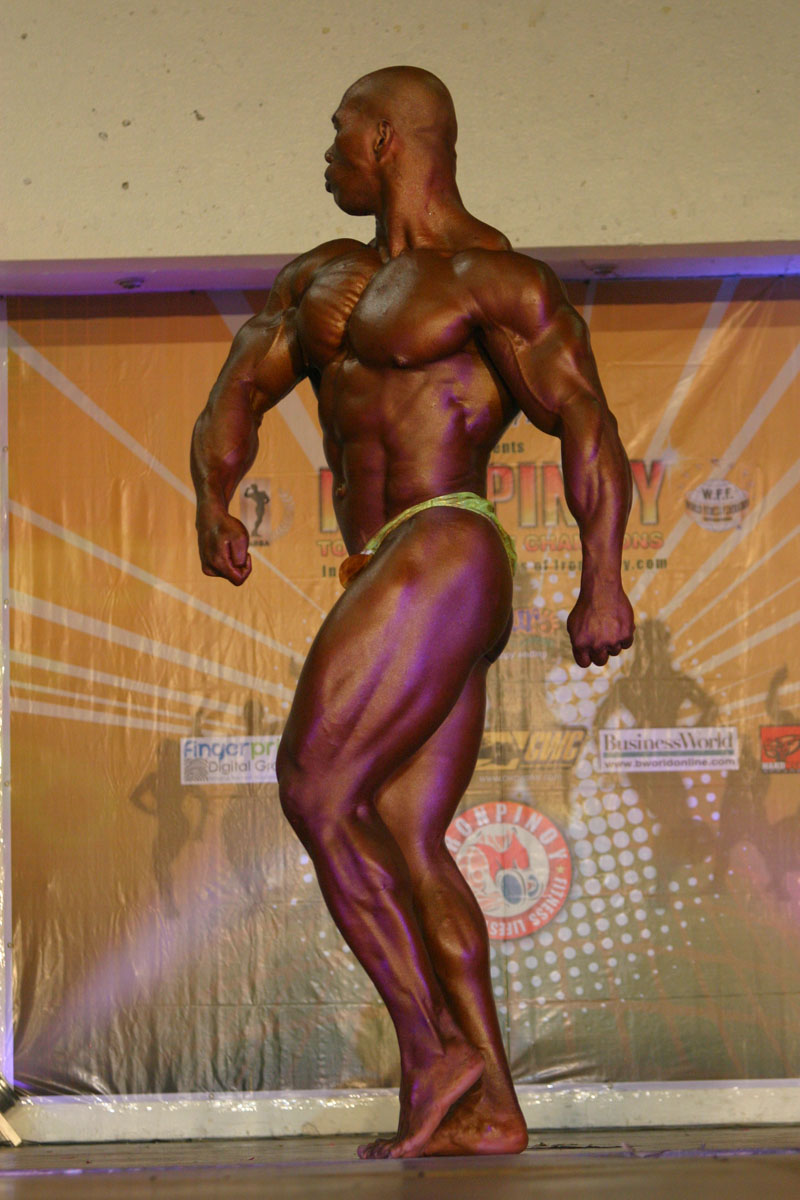


In bodybuilding, the final seven days before a competition are commonly called peak week.
This is when athletes attempt to maximize muscle definition, fullness, and vascularity while minimizing the appearance of water beneath the skin.
Unlike sports where performance is measured by speed, strength, or endurance, bodybuilding rewards physical appearance.
A competitor may spend 12 to 20 weeks or longer reducing body fat, maintaining muscle, and preparing for the stage.
By peak week, some competitors are already dealing with accumulated fatigue, low energy availability, and reduced recovery capacity.
Additional manipulations may include:
- Reducing or increasing carbohydrate intake to influence muscle glycogen.
- Changing sodium intake to affect fluid balance.
- Restricting water consumption to create a drier appearance.
- Increasing sweating through cardio or other methods.
- Using diuretics to increase fluid loss.
- Continuing stimulant or performance-enhancing drug use.
Not every competitor follows these practices, and their risks vary considerably.
A study of physique athletes published in the Journal of Strength and Conditioning Research found substantial water restriction during the final three days before competition among surveyed athletes. It also documented performance-enhancing drug use among some participants. PubMed
A separate evidence-based review concluded that many traditional peak-week methods lack strong scientific support. PubMed
This creates an important problem: athletes may be exposing themselves to physiological risks for cosmetic improvements that are not reliably demonstrated.
Heart attack or sudden cardiac arrest? Understanding the difference
One of the most common mistakes in reporting the sudden death of a young athlete is describing every unexpected cardiac death as a heart attack.
They are not the same condition.
| Comparison | Heart Attack | Cardiac Arrest |
|---|---|---|
| Type of Problem | Circulation problem | Electrical problem |
| What Happens? | A coronary artery becomes blocked, depriving part of the heart muscle of oxygen. | An abnormal heart rhythm causes the heart to stop pumping blood effectively. |
| Key Difference | Blood flow to the heart muscle is blocked. | The heart suddenly stops pumping blood effectively. |
| Relationship | A heart attack can trigger cardiac arrest. | Cardiac arrest can occur without a heart attack. |
Source: American Heart Association
For a young athlete who suddenly collapses, doctors may investigate conditions such as hypertrophic cardiomyopathy, inherited electrical disorders, myocarditis, coronary artery abnormalities, and dangerous arrhythmias.
Determining the cause may require hospital records, an autopsy, toxicology, and sometimes genetic testing.
Simply stating that the athlete died of a heart attack does not establish what actually happened inside the heart.
Six cardiovascular risks competitive bodybuilders should understand
1. Severe dehydration and electrolyte disturbances
The human heart depends on a carefully regulated balance of fluids and electrolytes.
Sodium, potassium, magnesium, and calcium are particularly important for normal electrical signaling and muscle contraction.
Severe dehydration can reduce circulating blood volume and increase cardiovascular strain. Significant electrolyte disturbances can contribute to dangerous heart rhythms.
The concern becomes greater when competitors combine restricted water intake with heavy sweating, diuretics, vomiting, or other causes of fluid loss.
Low potassium, for example, can interfere with normal electrical activity in the heart.
However, dehydration alone should not be assumed to cause every sudden cardiac death during peak week.
2. Diuretic use during peak week
Diuretics increase urine production and are sometimes misused in bodybuilding to produce a drier appearance.
Certain diuretics can cause substantial changes in potassium, sodium, and circulating fluid volume.
Depending on the medication and circumstances, these disturbances may produce muscle weakness, dizziness, low blood pressure, kidney injury, and potentially life-threatening arrhythmias.
Some diuretics cause potassium loss, while others can cause dangerously high potassium.
Using these drugs without a legitimate medical indication and appropriate supervision can be especially dangerous during contest preparation.
3. Anabolic-androgenic steroids and heart disease
This is one of the most important issues in modern competitive bodybuilding.
Anabolic-androgenic steroids (AAS) are synthetic or modified forms of testosterone used by some athletes to increase muscle mass, strength, and recovery.
Although they can improve muscular development, prolonged or high-dose nonmedical use is associated with serious cardiovascular consequences.
A major 2025 study published in Circulation examined cardiovascular outcomes among anabolic steroid users.
Cardiovascular Risk Associated With Anabolic Steroid Use
Adjusted hazard ratios compared with controls. These are associations, not proof of causation.
The strongest association in the study was with cardiomyopathy, a disease affecting the heart muscle.
Another systematic review published in October 2026 found an association between anabolic steroid exposure and higher all-cause mortality across three observational cohorts, while emphasizing that the available evidence cannot establish causation conclusively. PubMed
These findings do not mean every steroid user will develop heart disease, or that steroid use caused the reported competitor’s death.
They do mean that the cardiovascular risks should not be dismissed simply because an athlete looks healthy.
4. Enlargement and structural changes of the heart
Resistance training can produce normal physiological adaptations in the heart.
However, pathological enlargement is different.
Long-term exposure to supraphysiological anabolic steroid doses has been associated with abnormal thickening of heart muscle, impaired cardiac function, and myocardial fibrosis.
Fibrosis refers to scar-like tissue in the heart muscle that may interfere with electrical conduction and normal contraction.
A 2025 forensic review of steroid-associated cardiovascular deaths documented findings including ventricular hypertrophy, fibrosis, coronary thrombosis, and cardiomyopathy. PubMed
Importantly, an enlarged heart is not automatically evidence of steroid abuse. Physicians must distinguish normal athletic adaptation from underlying disease.
5. Stimulants, fat burners, and cardiovascular stress
Some competitors use high-caffeine products, stimulant-based fat burners, or other substances to suppress appetite, increase energy, or support fat loss.
Certain stimulants can increase heart rate and blood pressure, potentially triggering palpitations or arrhythmias in susceptible individuals.
Combining multiple stimulants, particularly during severe calorie restriction or dehydration, may increase risk.
The term fat burner does not guarantee that a product is safe. Ingredients, doses, interactions, and product quality matter.
6. Undiagnosed cardiac disease
Not every sudden death among bodybuilders is connected to drugs or dehydration.
Young athletes can have previously undetected cardiovascular conditions, including inherited cardiomyopathies and electrical disorders.
Some people have no obvious symptoms before a serious cardiac event.
Others may experience warning signs that are mistakenly attributed to hard training, dieting, or exhaustion.
This is why medical evaluation is important, particularly for athletes with a family history of sudden death, fainting during exercise, unexplained palpitations, or unusual breathlessness.
Why looking fit does not always mean being healthy
Bodybuilding creates an unusual contrast.
An athlete may have exceptional muscular development, very low body fat, and impressive strength while still having high blood pressure, abnormal cholesterol, or structural heart disease.
Visible abdominal muscles do not reveal the condition of the coronary arteries.
Large muscles do not guarantee normal heart function.
And the ability to complete a demanding workout does not rule out an underlying cardiovascular problem.
The appearance of health and actual cardiovascular health are two different things.
For competitors, this distinction becomes especially important when the pursuit of conditioning encourages practices that temporarily push the body beyond its usual physiological limits.
Warning signs that should never be ignored
Seek urgent medical attention for these symptoms
- Chest pain, pressure, or tightness
- Unexplained shortness of breath
- Fainting, especially during exercise
- Palpitations accompanied by dizziness or weakness
- Severe confusion or unusual weakness
- Persistent vomiting or signs of significant dehydration
- Sudden collapse or loss of consciousnessSymptoms can have multiple causes. Serious cardiac symptoms require emergency assessment rather than self-diagnosis. American Heart Association
If someone suddenly collapses, becomes unresponsive, and is not breathing normally, call emergency services immediately. In the Philippines, the national emergency hotline is 911.
Start CPR and use an automated external defibrillator (AED) as soon as one is available. Do not wait to determine whether the person has suffered a heart attack. cpr.heart.org
What bodybuilders can do to reduce cardiovascular risk
No screening program can eliminate every risk. Nevertheless, competitors and coaches can take meaningful precautions.
| Area | Practical recommendation |
|---|---|
| Blood pressure | Check regularly, including during contest preparation |
| Cardiovascular assessment | Discuss personal and family history with a physician; obtain ECG or echocardiography when indicated |
| Blood tests | Monitor kidney function and electrolytes when medically appropriate |
| Drug exposure | Disclose all hormones, stimulants, and medications to the treating clinician |
| Peak-week planning | Avoid extreme water and electrolyte manipulation |
| Recovery | Prioritize sleep and adequate recovery; adjust training during severe fatigue |
| Emergency readiness | Know the location of an AED and ensure coaches understand CPR |
A competitor using anabolic steroids or other performance-enhancing substances should be particularly transparent with healthcare professionals.
Routine blood work alone cannot rule out structural or electrical heart disease. Additional evaluation should be based on individual risk.
Athletes should also understand that medical monitoring does not make high-dose anabolic steroid use safe.
The responsibility of bodybuilding coaches and contest organizers
Competitive bodybuilding is not inherently unhealthy. Resistance training, proper nutrition, and structured physical activity offer well-established benefits.
The concern is when competitive expectations encourage unnecessary risks.
Coaches have a responsibility to recognize that extreme conditioning is not simply a test of discipline.
A competitor experiencing chest pain, fainting, severe weakness, or other concerning symptoms should not be encouraged to push through them.
Contest organizers also have an important role in athlete safety.
Access to emergency medical assistance, trained personnel, and AEDs can make a critical difference when an athlete experiences sudden cardiac arrest.
A culture that rewards competitors for ignoring warning signs needs to change.
No trophy, medal, or professional qualification is worth a preventable death.
Are young bodybuilders increasingly dying from heart problems?
The deaths of young strength and physique athletes frequently attract attention on social media, especially when they occur during competitions or contest preparation.
In October 2026, for example, 33-year-old bodybuilder Mateusz Chmura collapsed during a competition at the PCA British Finals in England and subsequently died. At the time of reporting, no official cause of death had been announced. The Independent
Such incidents understandably raise concerns.
However, individual reports cannot establish whether sudden cardiac deaths in bodybuilding are increasing over time.
Answering that question requires reliable population-level data, including the number of active competitors, their ages, underlying conditions, drug exposure, and confirmed causes of death.
Anecdotes can highlight a potential problem, but they cannot accurately measure its prevalence.
The uncomfortable conversation bodybuilding needs to have
Bodybuilding has evolved dramatically over the decades.
Training methods, nutrition, sports science, and competitive standards have all advanced.
Yet there remains a difficult contradiction at the center of the sport.
Athletes are expected to display exceptional physical development, often while reaching body-fat levels that are difficult to sustain.
Some competitors pursue these standards through methods that place significant stress on their cardiovascular, endocrine, and renal systems.
The issue is not dedication itself.
The issue is whether competitors are being encouraged to sacrifice long-term health for short-term physical appearance.
It is also important to avoid blaming an athlete who has died. Without verified medical evidence, nobody can know what choices, conditions, or circumstances contributed to that individual’s death.
The more constructive response is to improve education, medical oversight, emergency preparedness, and the culture surrounding contest preparation.
Final thoughts: A physique should never cost a life
The reported death of a 26-year-old bodybuilder just one week before competition is a painful reminder of how fragile life can be, even for someone who appears exceptionally fit.
Whether this particular death resulted from a heart attack, sudden cardiac arrest, an underlying medical condition, or another cause remains to be established.
What is already clear is that severe dehydration, dangerous electrolyte disturbances, anabolic steroid misuse, and undiagnosed cardiovascular disease are legitimate health concerns.
For athletes, the message is not to abandon bodybuilding.
It is to pursue the sport with a better understanding of the risks.
Build muscle. Improve your conditioning. Compete if that is your goal.
But remember that the most important muscle in bodybuilding is the one you cannot see onstage: your heart.
A competition lasts a day. Your health needs to last a lifetime.
Medical research and references
- Cardiovascular Disease in Anabolic Androgenic Steroid Users — Circulation (2025)
- Anabolic-Androgenic Steroid Use, Mortality, and Cardiovascular Outcomes — Systematic Review (2026)
- Peak Week Recommendations for Bodybuilders: An Evidence-Based Approach
- Nutrition, Training, Supplementation, and Drug Practices of Physique Athletes
- Forensic Findings in Anabolic Steroid-Associated Cardiovascular Deaths
- American Heart Association: Heart Attack vs. Cardiac Arrest
- The Independent: Mateusz Chmura’s Death During a Bodybuilding Competition
Medical disclaimer: This article is for general education and does not replace medical evaluation or individualized medical advice.