
Last Updated on November 26, 2026
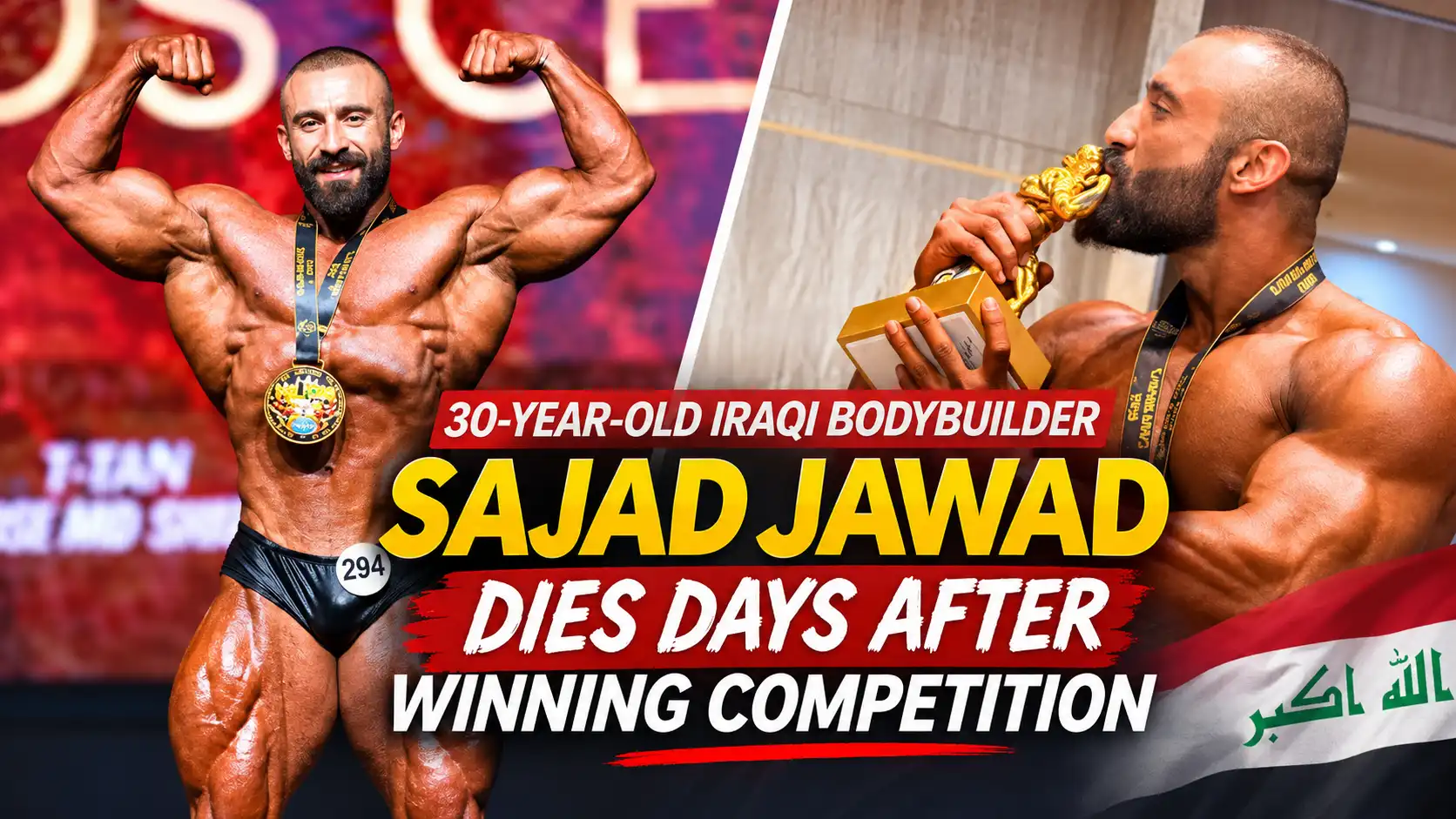
The bodybuilding community is mourning the reported death of Iraqi bodybuilder Sajad Jawad, aged 30, just days after celebrating a competitive victory. His sudden passing has renewed discussions about athlete health, competitive bodybuilding and the importance of medical monitoring.
The Iraqi National Federation of Bodybuilding and Fitness confirmed Jawad’s death on November 19, 2026, just three days after he secured a gold medal in the 90-kilogram category at the Asian Bodybuilding Championships in Pattaya, Thailand.
What should have been one of the happiest moments of his sporting career quickly turned into a tragedy for his family, fellow athletes and thousands of supporters. Iraqi News+2
Who Was Sajad Jawad?
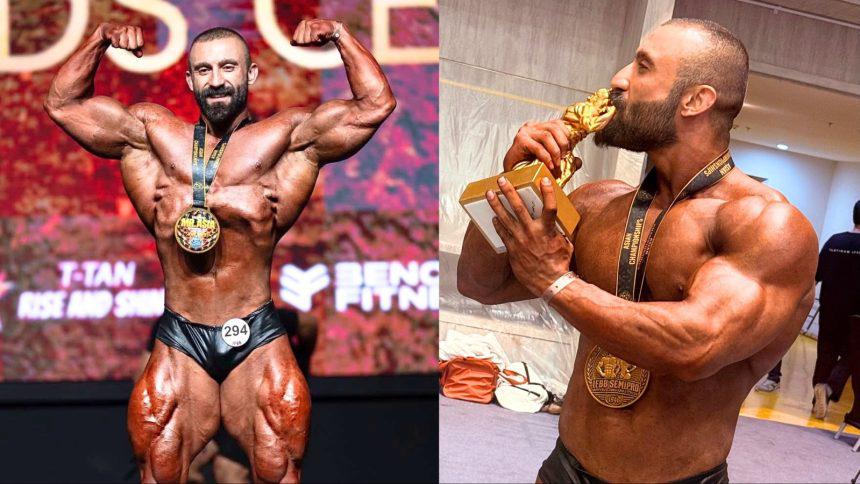
Sajad Jawad, also referred to as Sajjad Jawad in some publications, was an Iraqi competitive bodybuilder who represented his country in national and international competitions.
He had built a substantial online following, with more than 260,000 Instagram followers. His social media content featured training sessions, physique updates, competition appearances and his journey as a competitive athlete.
His recent championship victory represented a significant step forward in his bodybuilding career. Gulf News+1
| Athlete profile | Details |
|---|---|
| Full name | Sajad Jawad |
| Nationality | Iraqi |
| Age | 30 |
| Sport | Competitive bodybuilding |
| Weight division | 90 kg |
| Last competition | Asian Bodybuilding Championships |
| Competition location | Pattaya, Thailand |
| Final achievement | Gold medal |
| Death announced | November 19, 2026 |
| Cause of death | Not officially disclosed |
From 11th Place to Asian Bodybuilding Champion
Sajad Jawad’s final competition marked a remarkable milestone in his international bodybuilding career. After previously finishing 11th in his division, the Iraqi athlete made an impressive comeback, securing first place and earning the gold medal in the 90-kilogram category at the November 2026 Asian Bodybuilding Championships.
His rise from 11th place to the championship title reflected his dedication, discipline and determination to improve. What should have marked the beginning of an exciting new chapter in his bodybuilding career tragically became his final competitive achievement.
Asian Bodybuilding Championships — 90 kg division
After winning the championship, Jawad shared his achievement on Instagram, thanking his family, coach and supporters for helping him throughout his preparations.
His victory was not only a personal accomplishment but also a proud moment for Iraqi bodybuilding.
Days later, the same social media account became a place for fans to express their grief. Gulf News+1
Iraqi Bodybuilding Federation Confirms His Death
The Iraqi National Federation of Bodybuilding and Fitness announced Jawad’s passing through an official statement reported by the Iraqi News Agency.
Federation President Faiz Abdul-Hassan and members of the organization extended their condolences to the athlete’s family and loved ones.
The announcement shocked the country’s sporting community, particularly because Jawad had just achieved an international championship victory.
What Caused Sajad Jawad’s Death?
As of November 26, 2026, Sajad Jawad’s official cause of death has not been publicly confirmed in the available reports.
Some media reports have raised the possibility of a sudden health emergency or physical exhaustion following competition preparation. However, these claims remain unverified.
There is currently no confirmed medical evidence establishing whether his death was related to:
- Extreme dehydration
- Electrolyte imbalances
- Cardiovascular complications
- Performance-enhancing drugs
- Severe calorie restriction
- Post-competition dietary changes
- Physical exhaustion
It would be irresponsible to attribute his death to any of these factors without supporting medical findings. Iraqi News+2
Timeline of Sajad Jawad’s Championship and Death
November 16, 2026 — Championship victory
Jawad wins gold in the 90 kg division in Thailand, based on the reported three-day interval before his death.
Following the competition
Jawad celebrates his international victory on social media and thanks his supporters.
November 19, 2026 — Death confirmed
The Iraqi bodybuilding federation announces his passing.
November 20–25, 2026 — International coverage
International news outlets and bodybuilding publications report his death as tributes continue.
The Health Risks of Competitive Bodybuilding
While Jawad’s cause of death remains unknown, his passing provides an opportunity to discuss the broader health challenges associated with competitive bodybuilding.
Competitive bodybuilding requires athletes to achieve a level of muscular definition that is often difficult to maintain throughout the year. Contest preparation can involve months of demanding workouts, restricted calorie intake and adjustments to nutrition.
At the highest levels, some athletes also engage in practices that carry significant medical risks.
Extreme Dehydration
Some competitors reduce their water intake before stepping onstage to achieve a more defined appearance.
Severe dehydration can reduce blood volume, impair kidney function and disrupt cardiovascular function. When combined with diuretics, the risks can become particularly serious.
Electrolyte Imbalances
Sodium, potassium and magnesium play essential roles in muscle contraction, nerve function and heart rhythm.
Dangerous changes in electrolyte levels can result in muscle weakness, irregular heartbeats and potentially life-threatening complications.
Cardiovascular Stress
High blood pressure, certain performance-enhancing substances and underlying cardiovascular conditions can increase the risk of serious heart problems.
Having a muscular physique does not automatically mean an athlete has a healthy cardiovascular system.
Performance-Enhancing Drugs
The misuse of anabolic steroids and other performance-enhancing substances has been associated with cardiovascular disease, hormonal dysfunction, kidney problems and other health complications.
However, there is no verified evidence in the available reports establishing that such substances contributed to Jawad’s death.
Post-Competition Recovery
The period immediately following a bodybuilding competition also deserves attention.
Competitors who have undergone severe dietary restrictions or significant fluid manipulation may require medically supervised recovery. Rapid changes in fluid intake and nutrition can be problematic, particularly in athletes who are already severely depleted.
Why Bodybuilders Need to Prioritize Health Over Appearance
Bodybuilding celebrates discipline, physical development and the pursuit of excellence. However, achieving a winning physique should never come at the expense of long-term health.
Athletes, coaches and competition organizers should give greater attention to medical screening, safe contest preparation and recovery strategies.
Competitive bodybuilders should consider discussing the following with a qualified healthcare professional:
| Health assessment | Purpose |
|---|---|
| Blood pressure monitoring | Identify hypertension |
| Cardiovascular assessment | Evaluate heart health |
| Complete blood count | Monitor blood abnormalities |
| Kidney function tests | Identify impaired kidney function |
| Liver function tests | Monitor liver health |
| Electrolyte testing | Detect mineral imbalances |
| Lipid profile | Assess cardiovascular risk |
| Hormonal assessment | Evaluate endocrine health |
The appropriate frequency and type of testing should depend on the athlete’s medical history, symptoms and individual risk factors.
Chest pain, fainting, severe shortness of breath, confusion and persistent heart palpitations require urgent medical attention.
Bodybuilding Community Mourns Another Young Athlete
Jawad’s passing comes during a period of growing concern about health and longevity within competitive bodybuilding.
His death also follows reports of the passing of Brazilian Men’s Physique competitor Itemberg Nunes at the age of 31. The available reports had not established an official cause of death in that case either. Fitness Volt+1
These individual tragedies should not be treated as proof of a common medical cause. Nevertheless, they highlight the importance of continued discussions about athlete welfare, responsible coaching and evidence-based contest preparation.
Bodybuilding should be a sport that builds people up physically and mentally, not one in which athletes feel pressured to sacrifice their health to remain competitive.
Remembering Sajad Jawad
Sajad Jawad’s final competitive appearance deserves to be remembered for what he accomplished.
He improved his competitive standing, became an Asian bodybuilding champion and proudly represented Iraq on the international stage.
At just 30 years old, he had reached a significant milestone in his sporting career. His passing leaves behind a grieving family, friends, fellow athletes and a large community of supporters.
For the bodybuilding community, his death is a reminder that behind every competition physique is a human being with a family, ambitions and a life beyond the stage.
IronPinoy extends its deepest condolences to Sajad Jawad’s family, friends and the Iraqi bodybuilding community.
Frequently Asked Questions
How old was Sajad Jawad when he died?
Sajad Jawad was 30 years old at the time of his death.
What competition did Sajad Jawad win?
He won the gold medal in the 90-kilogram bodybuilding category at the Asian Bodybuilding Championships in Pattaya, Thailand.
When did Sajad Jawad die?
His death was officially announced on November 19, 2026, three days after his championship victory.
What was Sajad Jawad’s cause of death?
His official cause of death has not been publicly disclosed in the reports available as of November 26, 2026.
Did steroids cause Sajad Jawad’s death?
There is no confirmed medical evidence establishing that anabolic steroids or other performance-enhancing drugs caused his death.
Was Sajad Jawad a professional bodybuilder?
He was an international competitive bodybuilder representing Iraq. His status as a professional cardholder has not been independently verified.
News Sources
- Iraqi News – Iraqi bodybuilder dies three days after winning Asian championship
- Al Jazeera – Iraqi bodybuilding champion Sajad Jawad dies days after winning the Asian crown
- Gulf News – Sajad Jawad dies after winning gold at Asian Championship
- Fitness Volt – Sajad Jawad obituary
- Generation Iron – Iraqi Bodybuilder Sajad Jawad Dies at 30